


As the world faces increasing water scarcity and environmental concerns, homeowners, businesses, and municipalities alike are seeking practical ways to conserve resources. One of the most accessible tools in this mission is the low-flow faucet. Designed to reduce water usage without compromising performance, these fixtures have grown in popularity across kitchens and bathrooms. But are low-flow faucets truly effective? Let’s explore the facts, benefits, drawbacks, and overall efficiency of low-flow faucets.
What Is a Low-Flow Faucet?
A low-flow faucet is a water fixture engineered to reduce the volume of water dispensed per minute. Traditional faucets typically flow at a rate of 2.2 gallons per minute (GPM) or higher. In contrast, low-flow faucets, as defined by the Environmental Protection Agency’s WaterSense program, flow at 1.5 GPM or less—about a 30% reduction in water usage.
These faucets often incorporate aerators, which mix air with water to maintain pressure while reducing volume. Some models also use advanced valve technologies or motion sensors to further control flow and reduce waste.
Benefits of Low-Flow Faucets
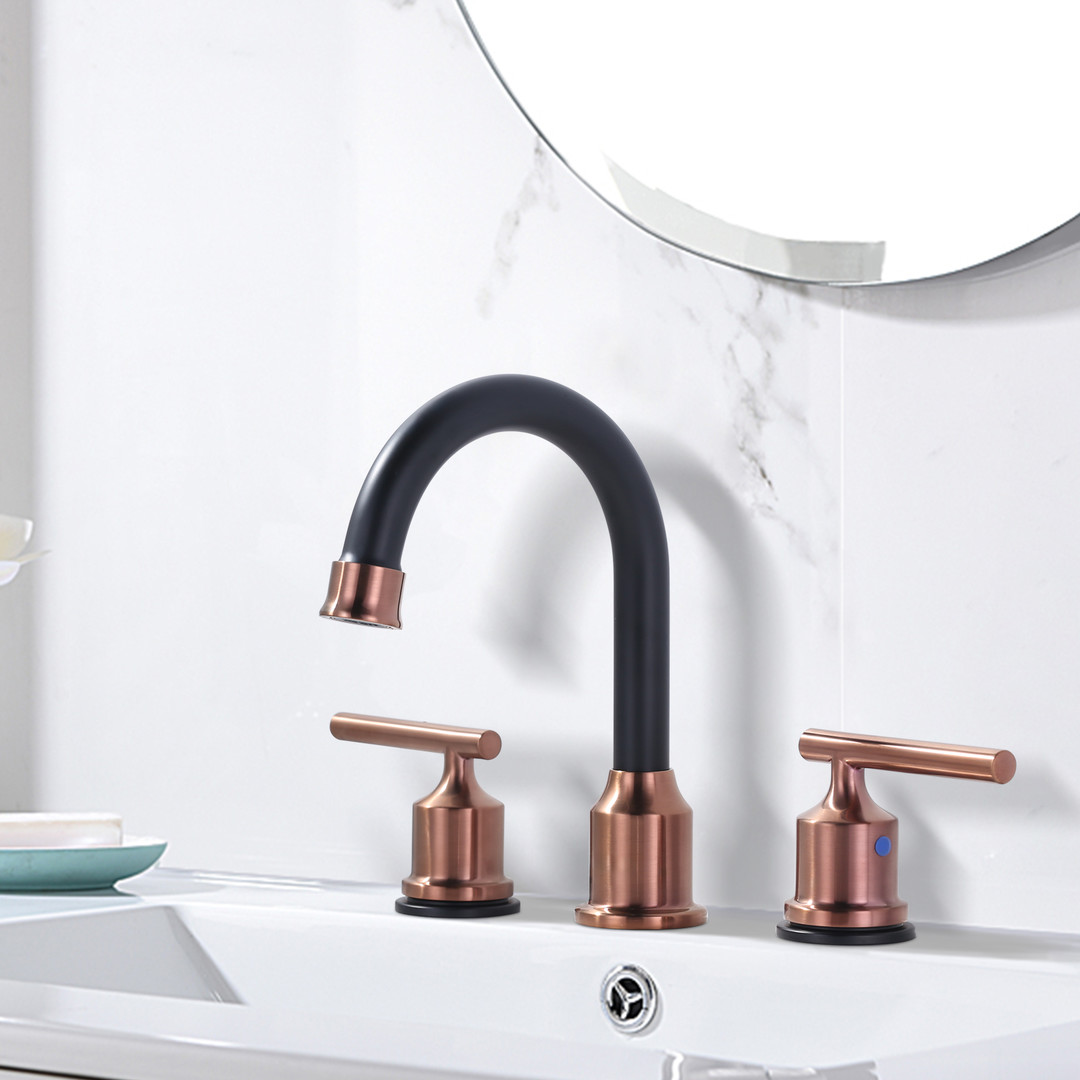
1. Water Conservation
The primary benefit of low-flow faucets is reduced water usage. By switching to low-flow models, households can save thousands of gallons of water annually. According to the EPA, replacing old, inefficient faucets with WaterSense-labeled models can save the average household about 700 gallons of water per year.
Multiply that by millions of homes and businesses, and the national or even global impact becomes substantial. In regions facing drought or limited freshwater supplies, the contribution of these faucets to conservation is particularly meaningful.
2. Lower Utility Bills
Less water usage means lower water bills. But the savings don’t stop there. Reducing hot water usage also cuts down on energy bills, since water heaters don’t have to work as hard. The EPA estimates that homes using WaterSense fixtures can save about $250 per year on water and energy costs.
3. Environmental Impact
Low-flow faucets help reduce the carbon footprint of households and buildings. Heating water consumes energy, often generated by burning fossil fuels. By using less hot water, homes lower their greenhouse gas emissions. Moreover, reducing water demand alleviates pressure on municipal water systems and sewage treatment facilities.
4. Technological Advancements
Early low-flow faucets were criticized for poor performance—low pressure, uneven spray, and longer fill times. However, modern designs have improved significantly. High-efficiency aerators, laminar flow options, and smart sensor technologies now deliver a satisfying user experience, often indistinguishable from traditional fixtures.
Are There Any Drawbacks?
Despite the clear advantages, low-flow faucets are not without their critics. Here are a few considerations to keep in mind:
1. Reduced Water Pressure (Perception)
Some users perceive a drop in water pressure, especially if they’re used to high-flow fixtures. While the pressure is technically the same, the volume is lower, which can make tasks like filling a large pot or washing hands quickly feel slower.
2. Compatibility with Older Plumbing
In older homes with outdated plumbing, retrofitting low-flow fixtures can sometimes cause flow irregularities or even clogging. Mineral build-up, narrow pipes, or outdated valves may need addressing for optimal performance.
3. Higher Initial Cost
Though prices have dropped over time, some high-quality low-flow faucets may still cost more upfront than standard models. However, this initial investment is often recouped quickly through savings on utility bills.
4. Performance for Specific Tasks
Certain tasks, like rinsing dishes or cleaning large items, may take slightly longer with a low-flow faucet. For high-use environments such as commercial kitchens, this could impact efficiency, although specialized high-efficiency commercial-grade models are available.
Are They Worth It?
When it comes to answering the question, “Are low-flow faucets effective?” the short answer is yes—especially when viewed through the lens of long-term savings, environmental sustainability, and water conservation.
For homeowners, the reduction in utility bills combined with the environmental benefits make low-flow faucets a smart investment. Many models are stylish, functional, and come with smart features like motion detection or temperature control.
For businesses and public facilities, where multiple faucets are in constant use, the water and energy savings can be massive. Retrofitting public restrooms with low-flow fixtures is a cost-effective way to reduce operating costs and demonstrate corporate responsibility.
What to Look For When Buying a Low-Flow Faucet
- WaterSense Certification: Always check for the EPA’s WaterSense label. This ensures the faucet meets strict criteria for water efficiency and performance.
- Flow Rate: Aim for faucets with a flow rate of 1.5 GPM or lower. Some go as low as 0.5 GPM for handwashing in commercial settings.
- Aerator Design: A good aerator improves the flow experience and helps maintain the feel of strong water pressure.
- Material Quality: Choose faucets made of durable materials such as brass or stainless steel with ceramic disk valves to prevent leaks.
- Smart Features: Motion sensors, timers, and temperature control can further enhance water savings and user convenience.
Conclusion
Low-flow faucets are not just a passing eco-friendly trend—they are a practical and effective tool for conserving water, reducing energy use, and saving money. Thanks to improved design and technology, they now offer performance that rivals or even surpasses traditional faucets. While there may be a few trade-offs, especially in specialized use cases, the environmental and financial benefits make them well worth considering for any home or commercial space.
If you’re looking to make a positive environmental impact without sacrificing functionality, installing low-flow faucets is a small change that can lead to significant results.